




10 Brand guidelines to maintain brand consistency
We’ll answer your questions about brand guideline documents for consistent branding.

10 Brand guidelines to maintain brand consistency
A brand guidelines document secures your reputation. From the design work you commission through to your written messaging, customers want to feel they can trust and understand how you operate. Otherwise, they will lose confidence and search for a more consistent alternative.
At thefingerprint, we have developed brand guidelines for many of our clients (such as this example) and know how to ensure consistent branding across your print and digital communications. While the sections we include may vary due to the nature of your business, stay tuned to learn 10 elements that can produce consistent communications and design.
But first, it’s important to understand two questions …
What are brand guidelines?
Described by Adobe as a “magic wand” for your business, branding guidelines help to drive sales by ensuring everyone in your company is working along the same lines. Once completed, you can inform your employees and third-party partners such as professional printing companies, how you want your brand to be represented.
From the social media posts and SEO blog articles you’ve adopted to raise your brand profile, to your flyers, brochures and business event materials, these carefully chosen rules are helpful rather than restrictive. They address the need for consistency in your marketing.
Additionally, they can govern how other areas of your business operate. From customer service to web design, training and sales teams, brand guidelines ensure everyone is on the same page brand-wise. This projects a stronger business image across departments.
Business brand guidelines also offer value for solopreneurs. They can help you achieve the same consistent branding that larger companies rely on for growth by reminding you of your key branding elements.
Why should you maintain brand consistency?
As the American motivational speaker Jim Rohn once said, “Success is neither magical nor mysterious. Success is the natural consequence of consistently applying the basic fundamentals”. You can apply the act of maintaining brand consistency to this statement.
The benefits of brand consistency include:
Greater brand awareness
Customers will associate your brand with your business name when they are regularly shown the same colour palette, punctuation choices and other brand guideline rules. Repetition is your best friend as a business looking to raise its profile.
Higher sales and trust levels
Conveying a consistent brand mission, story and ethos helps you connect with your target audience regarding the brand copy and content you circulate.
As one Forbes article explains:
“Most business owners desire consistency in so many ways. They would like a consistent inflow of work. They would like consistent great reviews. They would like consistent income. But yet they fail to behave in a consistent way”.
A more attractive investment proposition
The degree of trust in your brand can also attract outside investment. Consider the different appeal of funding an inconsistent sounding or looking business compared to one that remains true to its core message and brand image.
Perceived professionalism
High-worth brands know who they are, what they offer and how they solve the challenges of their target customers or clients. A company that stays consistent is seen as more capable, disciplined and effective than a competitor that frequently changes its message and visuals.
Increased efficiency
Think of this crucial set of guidelines as a method of maximising efficiency. Your employees save time emailing colleagues to confirm which is the correct colour or tone of voice to use.
What to include in brand guidelines
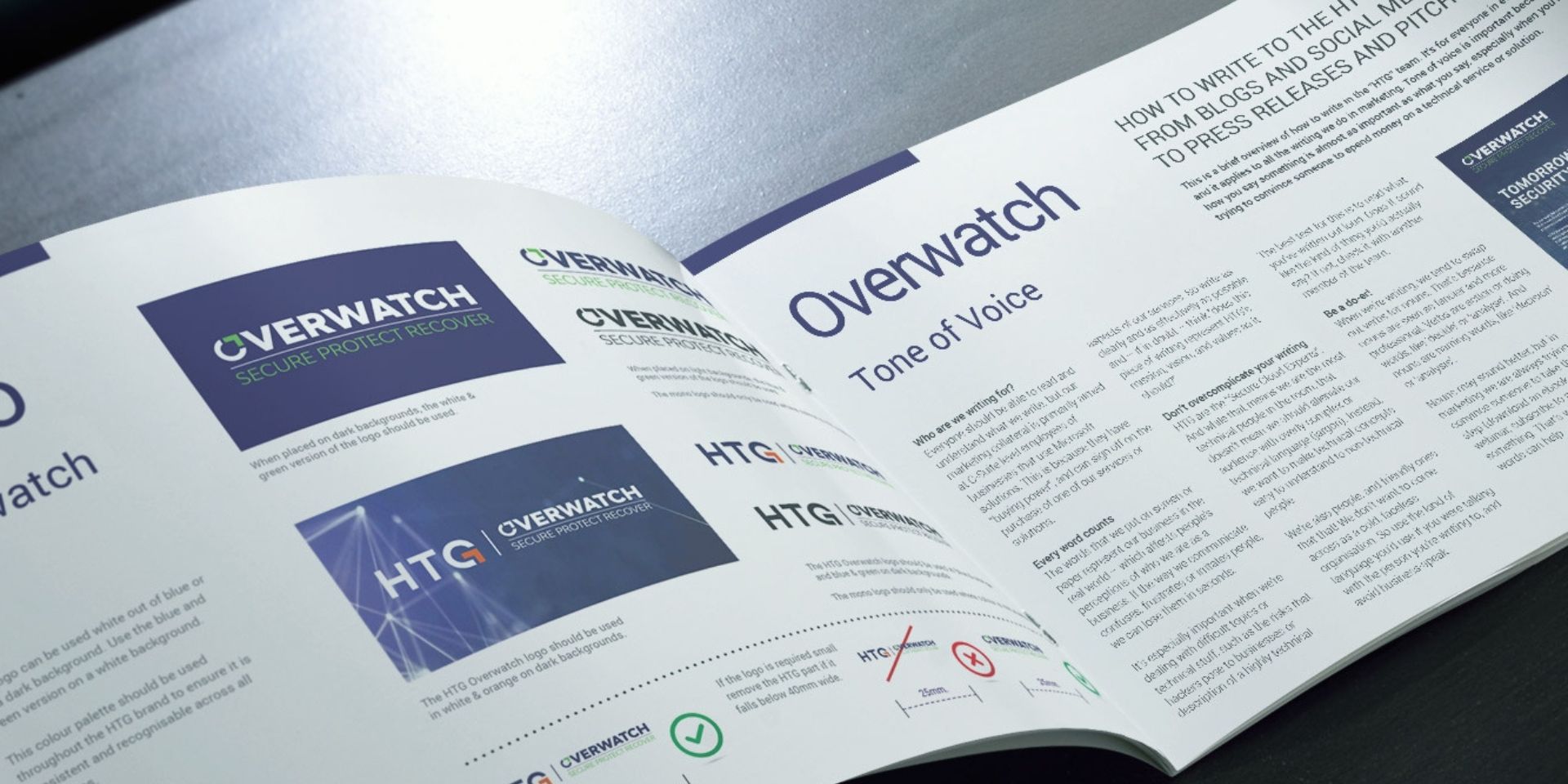
Now that you have discovered why consistent branding is important as a tool and way of working, it’s time to explore how to create brand guidelines. Please note that the 10 components outlined below are general recommendations of what to include in brand guidelines. A brand guidelines document should be tailored to the nature and needs of your business.
1. Your logo
A logo is a shortcut to grab and retain the attention of your ideal customers or clients. This section should include information about the dimensions and placement rules. Include any definite dos and don’ts here.
2. Typography
Covering typography and fonts, this section can guide your copy and text. It covers how the written word is presented and when each variation is best.
3. Colours
Keeping a consistent colour palette conveys your values to the viewer through colour theory. Therefore, your brand guidelines should confirm the RGB, CMYK and hex codes used in your website, marketing materials and company documents.
4. Imagery rules
How will you present your brand imagery, such as professional photography, stock images and employee headshots? Thankfully, these branding rules will inform their visual style and personality. After all, a brand is more than a logo today.
5. Tone of voice
This section governs the style of writing, personality and language to be used when representing your business. Some brands choose a corporate voice for traditional professionalism. Others opt for conversational and informal messaging to connect with people’s emotions.
6. Brand mission
While your brand statement can evolve, Social Sprout sees this asset as “Clearly communicat[ing] a brand’s purpose, objectives and how it plans to serve its audience”. Having this short statement can win over minds and save your time.
7. Brand position
HubSpot hits the nail on the head by claiming, “Brand positioning is the strategy used to set your business apart from the rest”. It defines where you sit within the market, what you want the customer to feel and who you want to be.
8. Page templates
This part can save time and gain public awareness through consistent branding. Templates save time. They can be created to retain the appearance and format used by you or team members. Examples include business cards, letterheads and Word Documents.
9. Pattern setups
Is there a particular background style that was used in your printed or online marketing materials and branding? This is the place to define it.
10. Target audiences
Knowing who to speak to is half the battle when creating new written and visual business assets. Therefore, it is important to understand and keep your target audience in mind.

Are you ready to save time and maximise results with brand guidelines?
We hope that this how to create brand guideline documents guide will inspire you. After all, consistent branding produces informed and confident employees, customers and clients.
Alternatively, thefingerprint can take this task off your hands with professionalism. Reach out using our Contact form or email design@thefingerprint.co.uk for aligned communications and designs.
If you found this helpful, then you should also read these articles: Why thefingerprint is a smart choice for startups, What to call your company/brand? and How to optimise your website for local search in 2025.