




What are hex codes and how can they help your branding?
We’ll answer your questions about your hex codes.

What are hex codes and how can they help your branding?
With over 16 million hex codes to choose from, you and your web designer can define, document and achieve the precise colours of your current/future branding with ease. But what exactly is a hex code I hear you ask, who needs to know them, where can they be used, and what are the practical benefits of knowing yours?
Created to guide business owners at all stages of their company’s development, this blog will explore and break down the world of hex codes. Answering the above questions guided by our award-winning expertise in logo design, branding and web design, you will have a fuller understanding of defining digital colour.
What are hex codes?
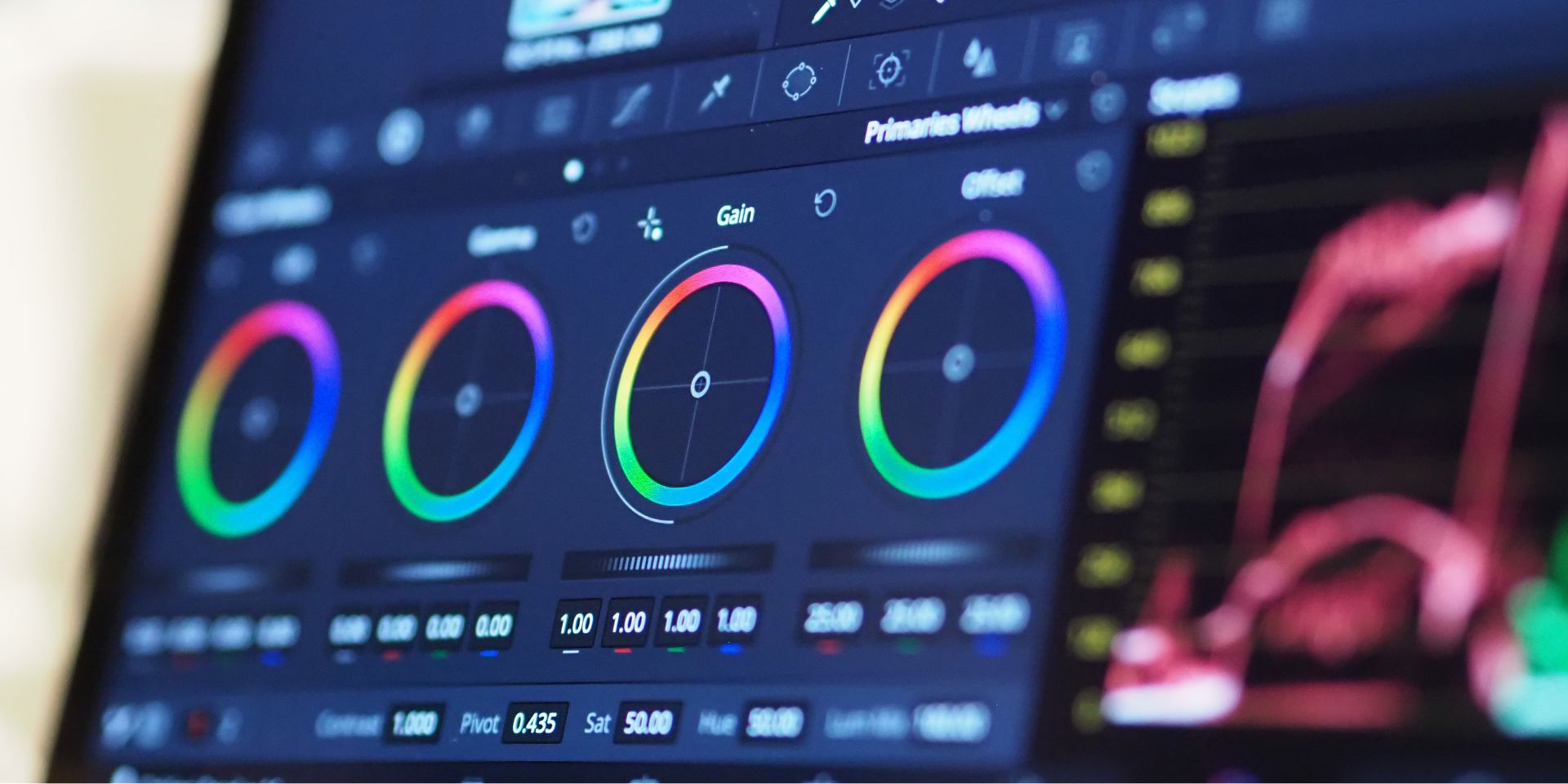
Short for ‘hexadecimal codes’ or colours, a hex code is made up of six digits. It may interest you to know that ‘hex’ means ‘six’ in the Greek language. They were developed in the mid-twentieth century and provided distinct references for digital colours and coding RGB on computer monitors and other displays. RGB is a system that varies red, green and blue light to create a variety of colours onscreen.
While you may not have used hex codes or heard this term before, rest assured, it is globally recognised. The design superbrand Adobe calls it “The concise six-character expression of computer-generated colour based on the RGB colour model”. This means it works well with the web languages HTML and CSS, as well as more user-friendly design programmes such as Photoshop, Illustrator and Canva.
How is a hex code structured?
While they may seem impossible to understand on first inspection, there is a logical science behind hex codes. Knowing this structure will help you understand them and overcome hex code confusion.
Every hex code is made up of a hash symbol followed by six digits, ranging from 0-9 as well as A-F. Each of these numbers and letters represents a number from 0-16, with A (11), B (12), C (13), D (14), E (15) and F (16) continuing after the first 10 numbers.
By combining different variations of these numbers and letters, you can generate a mighty 16 million or more possible colours. This has led many people to label hex codes as a universal language for colour.
What does each number and letter mean?
Each pair of letters and/or numbers reveals key information about how the colour values on a website, business card design or social media banner should look.
Therefore:
- The first and second digits describe the intensity of red in the colour
- The third and fourth digits describe the intensity of green in the colour
- The fifth and sixth digits describe the intensity of blue in the colour.
At the lower end of the range of 16 digits, the first character ‘0’ (zero) denotes the least intense value (i.e. the palest shade), which is why 000000 produces the colour white. At the other end of the scale, each number then letter continues to increase the intensity of the hex code colour, with the letter F (the sixteenth character) producing a black wherever you see the hex code FFFFFF.
Where are they used and by whom?
A major part of the digital design world, hex codes provide a shared reference point for you, your web designer and your branding professional. When working with an expert in these areas, you can simply email or tell them the hex codes for your brand colour palette.
However, do not worry if you are not at this stage yet. Experienced web design and branding agencies (such as thefingerprint) can work with you to create a memorable brand identity. Having your brand colours defined in hex code formatting will allow you to move forward and create a stunning colour scheme.
The meaning of colour
Colour psychology is an effective tool for creating emotions with your brand. Check out the blog ‘Colour – Why Making the Right Choice Matters’ to see what your brand says (or could say) to your customers as they view your logo, website, e-commerce shop or social media banner design for the first time.
Not only for large brands, small businesses can also harness colour associations to connect with clients, customers or members.
Five benefits of choosing hex codes
Now that you know what a hex code is, it’s time to explore the advantages of having your brand colours in hex code form.
1. Clear communication
You intuitively know that cobalt blue is different to turquoise blue and navy blue. However, design software needs more information than dark or light blue to recreate the correct colour.
Equally, you and your branding/design expert may have a different understanding of what a colour name means in practice. Especially when there are 16 million or more possible hex colours to select. Having defined hex codes allows you to share the exact shade quickly.
2. Unique designs
Once your designer knows the correct hex codes, they can differentiate your brand from a competitor with a similar shade. When developing a brand identity, it should be possible to choose a distinctive colour palette with your business in mind.
This avoids blending into the background. For example, garden landscapers can get specific on their brand’s green to set themselves apart from rival businesses offering similar services.
3. Consistent branding
There is no point having a unique brand identity in one design if it cannot be reproduced easily within another. Objective and universally recognised, hex codes can save hours of manually matching colour shades by eye; needless to say, the frustration this would cause.
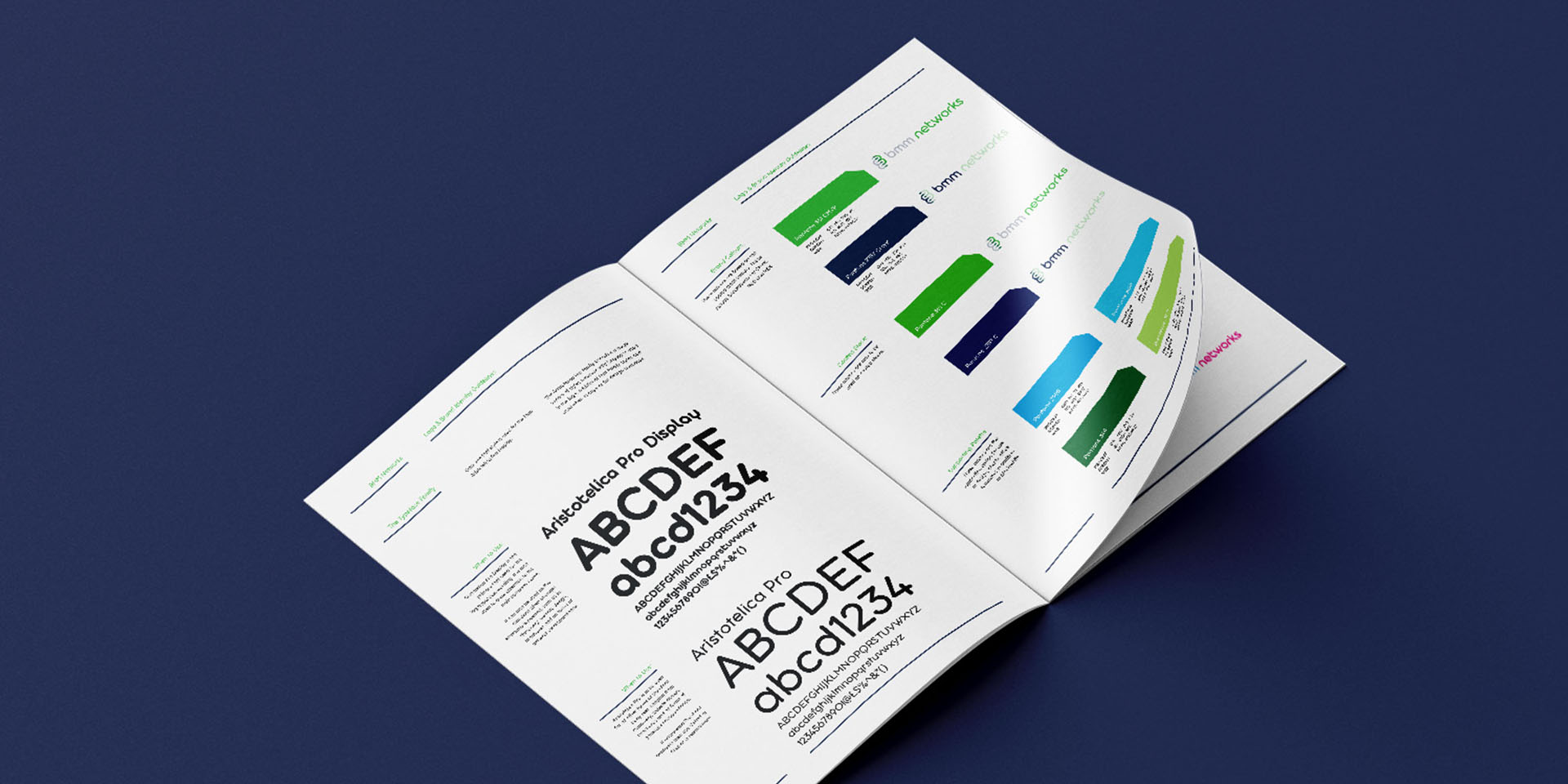
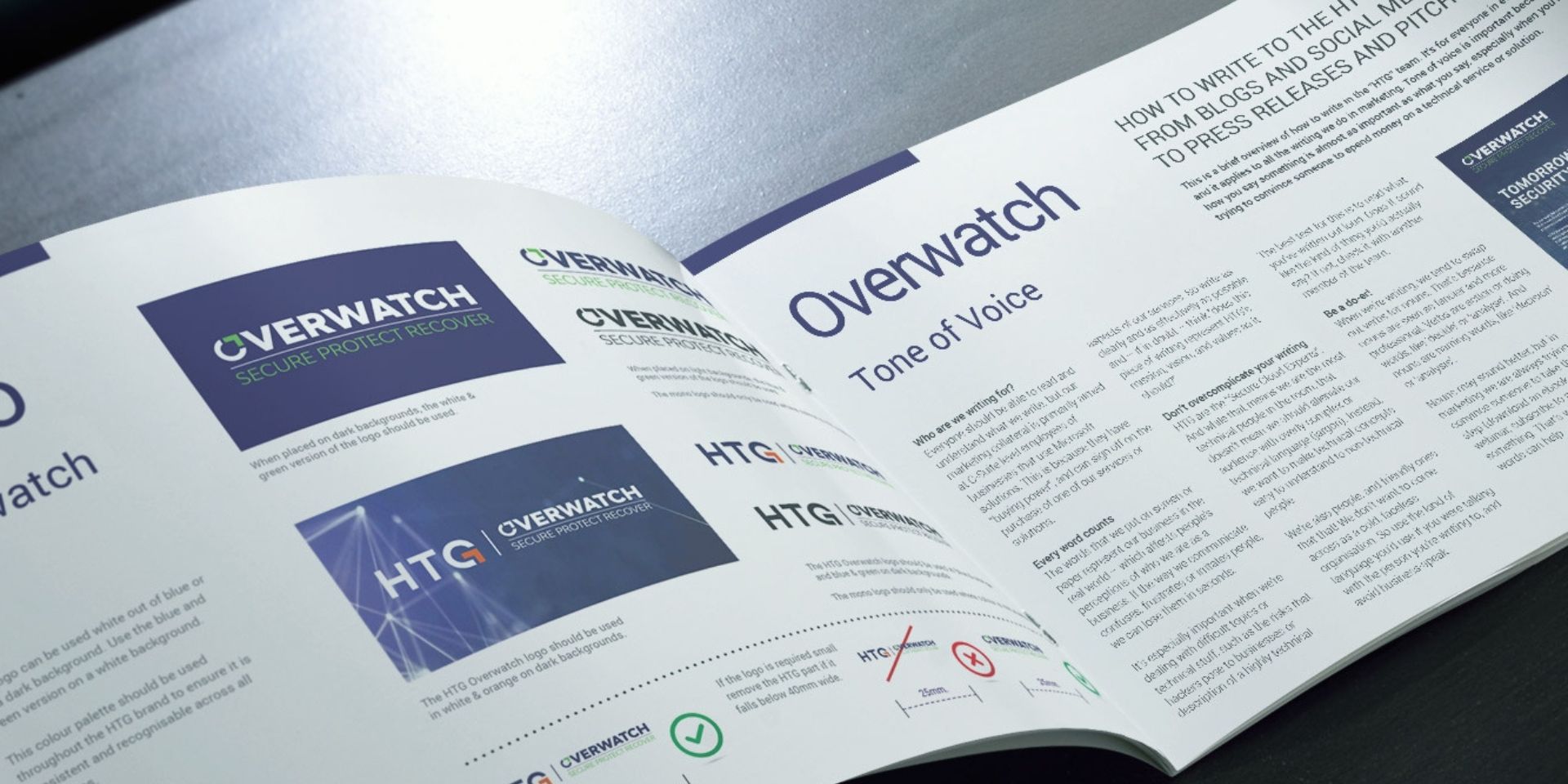
Having your hex codes defined helps you reproduce your colours precisely if you ever commission future work. You may start with a website and logo, before hiring the same designer to expand your collection of business designs. We can also include your hex codes in our professional brand guideline documents.
4. It helps you understand how design works
Understanding hex codes gives you a greater understanding of both colour and design in practice. This will increase your confidence when outsourcing to a design agency for the first time.
Alternatively, you may already know your brand’s hex codes and can brief an agency on how you prefer your website to look, for example. And yes, websites still matter in the age of social media!
5. Save time, launch quicker
Not only can you confidently email your hex codes to a professional, but a 2024 HubSpot survey saw 93% of web pros answer that hex code colours improved efficiency versus more vague colour names. This efficiency and clear communication should save everyone’s time and avoid delaying projects due to colour revisions.
Consult the experts with confidence
Don’t get vexed with colour. Instead, understanding the structure and purpose of hex codes can boost your confidence when discussing your vision for a design(s).
Still wondering who to trust with your brand’s new website, branding or logo? We recommend reaching out for an informal (no-obligation) chat with thefingerprint, a multi award-winning agency.
Contact us or email design@thefingerprint.co.uk for pixel-perfect designs that will appeal to your customers.
If you found this helpful, then you should also read these articles: Why a brand is important and why it’s not just a logo, Colour – why calibrating your monitor is important and Colour – understanding colour theory.